

Asphalt Sealcoating: What It Does and When Your Pavement Needs It
What Is Asphalt Sealcoating?
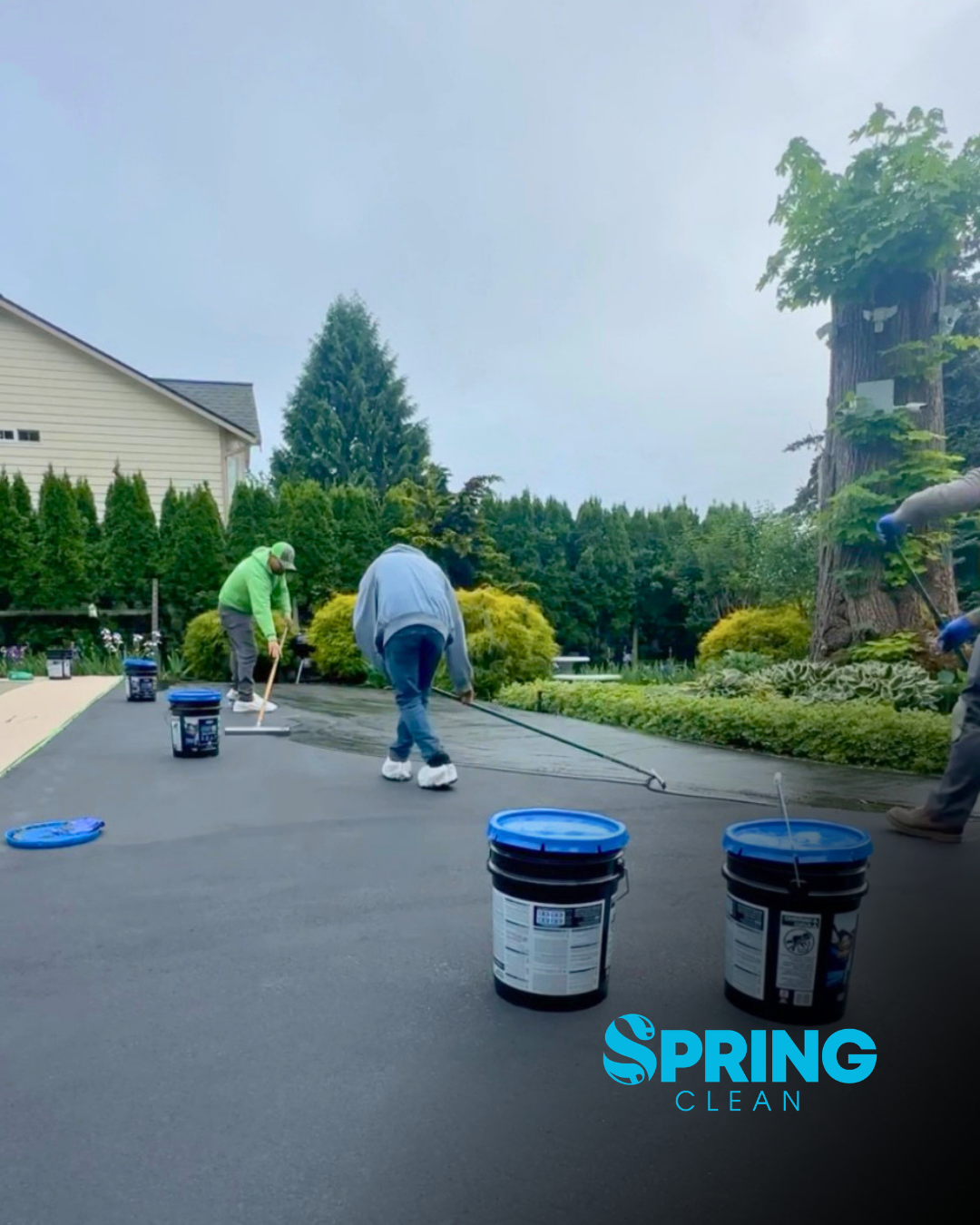
Sealcoating involves applying a specially formulated coating across a prepared asphalt surface. Once cured, the coating creates a barrier between the pavement and common sources of surface wear.
Unlike asphalt replacement or resurfacing, sealcoating does not rebuild the pavement or correct problems below the surface. Its purpose is to preserve existing asphalt and protect the upper layer from continued exposure.
A professional sealcoating service generally includes surface cleaning, preparation of suitable cracks or damaged areas, careful application, and adequate curing time before the pavement is reopened to vehicles.
How Sealcoating Helps Protect Asphalt
Reduces exposure to sunlight
Continuous ultraviolet exposure contributes to oxidation, which can cause asphalt to lose flexibility and develop a faded gray appearance. A sealcoat provides an additional surface layer that helps limit direct exposure.
Helps manage water exposure
Water can enter open cracks and weak areas in the pavement. As those openings expand, moisture may reach the base beneath the asphalt and contribute to further deterioration. Sealcoating helps reduce surface porosity, but existing cracks should be addressed separately before application.
Creates a more uniform finish
Older asphalt often develops variations in color due to traffic, repairs, weather, and surface wear. Sealcoating restores a darker and more consistent finish across suitable driveways, parking areas, and private paved surfaces.
Supports easier routine maintenance
A properly sealed surface is generally easier to sweep and clean because the coating creates a more uniform upper layer. Oil and automotive fluids should still be cleaned promptly to reduce staining and surface damage.
Signs Your Asphalt May Be Ready for Sealcoating
Sealcoating should be considered based on pavement condition rather than appearance alone. Common signs include:
The surface has faded from dark black to gray.
Fine surface wear is becoming more noticeable.
The asphalt absorbs water quickly instead of allowing it to remain on the surface.
Previous sealcoating has worn away in high-traffic areas.
The pavement remains stable but needs preventive surface maintenance.
New asphalt also needs time to cure before it is sealed. Applying a coating too soon can interfere with that process. A professional evaluation can help determine whether new or existing pavement is ready.
What Sealcoating Cannot Fix
Sealcoating is not a solution for every asphalt problem. It will not repair potholes, rebuild a failing base, level sunken pavement, or permanently close large cracks. Coating over significant damage may temporarily darken the surface, but it does not correct the underlying cause.
Before sealcoating, the pavement should be inspected for:
Wide or expanding cracks
Potholes and missing asphalt
Soft or unstable areas
Standing water caused by poor grading
Severe alligator cracking
Loose or crumbling edges
These conditions may require crack repair, patching, drainage correction, resurfacing, or replacement before a protective coating is applied.
What to Expect During Professional Sealcoating
Preparation has a direct effect on the quality of the final result. The pavement should be free from dirt, loose debris, vegetation, and materials that could prevent the coating from bonding properly.
Depending on the property and surface condition, the process may include:
Inspecting the asphalt and surrounding edges
Removing debris and cleaning the pavement
Treating oil spots or other contaminated areas when appropriate
Completing necessary crack or surface repairs
Protecting concrete, walls, garage doors, and adjacent landscaping
Applying the sealcoat with consistent coverage
Restricting traffic while the coating cures
Weather conditions matter. Temperature, humidity, sunlight, and the possibility of rain can affect application and curing, so scheduling may need to remain flexible.
How Often Should Asphalt Be Sealed?
There is no universal schedule for every property. The appropriate interval depends on traffic volume, climate, drainage, sunlight, pavement age, previous treatments, and the quality of the original installation.
A residential driveway with moderate use may wear differently from a commercial parking area or shared access lane. Instead of applying a new coating automatically every year, the pavement should be evaluated and serviced when the previous layer has worn sufficiently. Excessive buildup can create its own performance and appearance problems.
Residential and Commercial Applications
Sealcoating can be used on many structurally sound asphalt surfaces, including:
Residential driveways
Private access roads
Small parking areas
Commercial parking lots
Apartment and rental-property pavement
Service and loading areas
Commercial properties may also need traffic planning so customers, employees, or residents can continue accessing designated areas while work is completed in sections.
Plan Your Asphalt Maintenance with Spring Clean
Sealcoating is most effective as part of a broader pavement maintenance plan. Cleaning, crack repair, drainage management, and timely surface treatment can help prevent small signs of wear from developing into more expensive problems.
Spring Clean provides professional asphalt sealcoating with careful surface preparation and consistent application for residential and commercial properties. We evaluate the pavement before beginning so the recommended service matches its current condition.
Contact Spring Clean today to schedule an asphalt evaluation and request a free estimate for your driveway or paved property.
